
Earthling Sisters| A One Health Approach
A One Health Approach
A One Health Approach: AIR POLLUTION
Summary
SUMMARY:Air pollution has become a public health concern all over the world. Large scale industrial activities and vehicular emissions are the major causes of environmental air pollution, especially in developing countries like India. However, in recent years, indoor air pollution has emerged as one of the leading reasons for health issues in Indian metro cities.Seemingly harmless stuff can cause indoor air pollution such as pet hair, cooking smoke, adhesives in household furniture and electronic equipment.Toxic microparticles spread by air pollution can enter our lungs through the nasal tract and cause various health issues which can be as severe as cancer
How We Addressed This Challenge
Air pollution is the presence of substances in the atmosphere that are harmful to the health of humans and other living beings, or cause damage to the climate or to materials. There are different types of air pollutants, such as gases (such as ammonia, carbon monoxide, sulfur dioxide, nitrous oxides, methane and chlorofluorocarbons, particulates ;both organic and inorganic), and biological molecules. Air pollution may cause diseases, allergies and even death to humans; it may also cause harm to other living organisms such as animals and food crops, and may damage the natural or built environment. Both human activity and natural processes can generate air pollution
. In other words ,Air pollution is a change in the physical, chemical and biological characteristic of air that causes adverse effects on humans and other organisms. The ultimate result is a change in the natural environment and/or ecosystem.
*TYPES OF AIR POLLUTION:
1.MAN-MADE POLLUTION:
This type of pollution is caused by human being . For Example ,HUSK BURNING, VEHICLE FUMES ,FUMES CAUSED BY FACTORIES ETC
2)NATURAL POLLUTION :
This type of pollution is caused by some natural phenomenon . For Example, SPONTANEOUS FIRES OF COAL MINES, VOLCANIC ERRUPTION,WHIRLWINDS ETC
3)INDOOR POLLUTION:
This are the type of man- made air pollution which are caused inside their residence .For Example ,COAL BUNING,SOLVENTS BOF HOUSEHOLD CLEANERS, DEGREASERSETC
4)OUTDOOR POLLUTION:
This are the type of man -made air pollution which are caused in public area For Example, VEHICLE FUMES, CHEMICAL FUMES,SMOKES FROM INDUSTRIAL CHIMNEYS ETC
--> Pollutants :The substances that are responsible for causing air pollution are called air pollutants. These air pollutants can be either natural (e.g. wildfires) or synthetic (man-made); they may be in the form of gas, liquid or solid.
~Types Of Pollutants: Pollutants can be classified as either primary or secondary pollutants:
1.Primary Pollutants: Primary pollutants are substances directly emitted from a process, such as ash from a volcanic eruption, the carbon monoxide gas from a motor vehicle exhaust or sulfur dioxide released from factories. Some of primary pollutants include:
- Nitrogen oxides (NOx)
- Carbon monoxide (CO)
- Volatile organic compounds (VOCs)
- Sulfur oxides (SO)
- Particulate matter (PM)
- Mercury
2.Secondary Pollutants: Secondary pollutants are not emitted directly. Rather, they form in the air when primary pollutants react or interact. Some of secondary pollutants include:
- 1) Photochemical Smog- When ultraviolet light from the sun reacts with nitrogen oxides in the atmosphere, photochemical smog is produced.
- 2) Ground-level ozone.
- 3) Acid Deposition.
- 4) Particulate Matter.
- 5) Nitrogen Oxide.
*CAUSES:
1. Vehicle Exhaust Fumes.
The number one source of air pollution in city environments is vehicle exhaust fumes, which happen to release high amounts of carbon monoxide. It’s no surprise then that carbon monoxide also happens to be the largest air pollutant in the United States.
Millions of vehicles are operated on a daily basis in the US alone, each one leaving its own carbon footprint on the environment. This is why hybrid and fully electric vehicles are making a splash in the automobile marketplace.
People are looking to rely less on fossil fuels to power their cars, leading to less toxic emissions into the environment.
2. Fossil Fuel-Based Power Plants.
In addition to vehicle exhaust pollution, fossil fuels also present a wider scale problem when they’re burned for energy in power plants.
Chemicals like sulfur dioxide are released during the burning process, which travel straight into the atmosphere. These types of pollutants react with water molecules to yield something known as acid rain.
This is one of the reasons that alternative energy sources, such as nuclear, solar, and wind are being explored in greater detail. They tend to release much less pollutants into the environment to produce equivalent amounts of energy.
3. Exhaust from Industrial Plants and Factories.
Similar to exhaust being released from vehicles, heavier machinery located inside big factories and industrial plants also emit pollutants into the air.
Industrial plants can be found pretty much everywhere in the world, so the spreading of air pollution is basically global.
4. Construction and Agricultural Activities.
On a daily basis, dirt and dust is kicked up into the atmosphere from excavating and demolition type construction activities.
Switching the focus to agricultural activities, ammonia is a frequent byproduct that just so happens to be one of the most dangerous gases in our environment.
There are also plenty of nasty chemicals that get placed into the atmosphere from pesticides and fertilizers, which are being used at increasingly higher rates.
5. Natural Causes.
When people think pollution, they almost always blame other people. Let’s not forget that the Earth is one of the biggest polluters itself, though.
Volcanoes, forest fires, and dust storms are nature-born events that dump massive amounts of air pollution into the environment.
6. Household Activities.
Forget about outdoor pollution. What about the pollution that takes place inside our own homes?
Common household chemicals, notably bleach, without proper ventilation is a primary source of indoor air pollution.
Smoking tobacco through the use of cigarettes and cigars also releases toxic pollutants into the air.
It’s often easier to think of outdoor pollution as the primary danger on a wide scale level, but don’t dismiss the little everyday activities that also impact our health.
*EFFECT:
Lung Diseases and Respiratory Problems
Conditions such as asthma and chronic obstructive pulmonary disease (COPD) can be caused or triggered by rising levels of air pollution. In several Indian metro cities, air pollution is the primary trigger for breathing ailments in children and the elderly.
Lung Cancer
While previously lung cancer was associated with those who smoke excessively, new evidence suggests that indoor air pollution can also be carcinogenic. Adhesives and chemicals used in furniture and computer equipment can release formaldehyde fumes, which are a known cause for cancer. It can be especially harmful to people who live or work in congested spaces, with little or no ventilation.
Cardiovascular Problems
Breathing in polluted air for long periods can increase the risk of heart diseases. Harmful air pollutants such as carbon monoxide, nitrogen dioxide and ozone can get mixed in the bloodstream and cause cardiovascular disorders. Particulate Matter is another pollutant that severely impacts the nervous system and cardiovascular activity.
Affects Pregnant Women and New-born babies
Indoor air pollution can also have adverse effects on the health of women during pregnancy. The unborn child can suffer from a weaker immune system and may have a lung disorder upon birth. Newly born children also get affected by air pollution as they breathe in more air than adults during their formative years.
Wildlife Endangerment.
Most diseases and conditions that humans are susceptible to, animals are as well. Air pollution creates many of the same issues that humans face.
Heavily polluted areas force inhabitants to seek new homes, which can negatively impact the ecosystem.
Toxic chemicals, which we’ll discuss in the next bullet, also deposit over surfaces of water that can lead to the endangerment of marine life animals.
Acid Rain.
When air pollution, specifically sulfur oxides and nitrogen oxides, are released into sky through fossil fuel burning, it creates the phenomenon known as acid rain.
Water, high in the atmosphere, combines with these chemicals and becomes acidic in nature. It then scatters the ground, disguised as normal rainfall.Acid rain has been known to cause harm to humans and animals alike, and even damage crops.
How We Developed This Project
INSPIRATION:
LOCKDOWN AND AIR POLLUTION :-
•We estimated the effects of the implementation of travel restrictions on air pollution.
•We tested human mobility as one potential mechanism underlying this effect.
•We utilized long dynamic panel data models using data from 44 cities in north China.
•The concentrations of SO2, PM2.5, PM10, NO2, and CO decreased by 6.76%, 5.93%, 13.66%, 24.67%, and 4.58%, respectively.
Human mobility dropped by 69.85% after governments implemented travel bans.
Case Study 1: China
1 example for china pollution. Image Link:
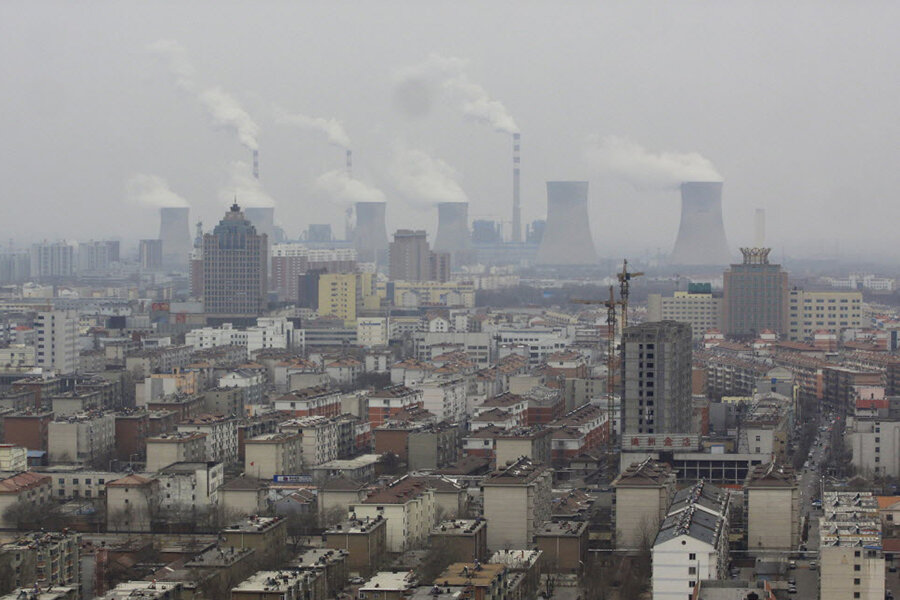
Responding to the ongoing novel coronavirus (agent of COVID-19) outbreak, China implemented “the largest quarantine in human history” in Wuhan on 23 January 2020. Similar quarantine measures were imposed on other Chinese cities within days. Human mobility and relevant production and consumption activities have since decreased significantly. As a likely side effect of this decrease, many regions have recorded significant reductions in air pollution. We employed daily air pollution data and Intracity Migration Index (IMI) data form Baidu between 1 January and 21 March 2020 for 44 cities in northern China to examine whether, how, and to what extent travel restrictions affected air quality. On the basis of this quantitative analysis, we reached the following conclusions: (1) The reduction of air pollution was strongly associated with travel restrictions during this pandemic—on average, the air quality index (AQI) decreased by 7.80%, and five air pollutants (i.e., SO2, PM2.5, PM10, NO2, and CO) decreased by 6.76%, 5.93%, 13.66%, 24.67%, and 4.58%, respectively. (2) Mechanism analysis illustrated that the lockdowns of 44 cities reduced human movements by 69.85%, and a reduction in the AQI, PM2.5, and CO was partially mediated by human mobility, and SO2, PM10, and NO2 were completely mediated. (3) Our findings highlight the importance of understanding the role of green production and consumption.
CASE STUDY 2: NEW DELHI (INDIA)
1 example for Delhi pollution. Image Link:
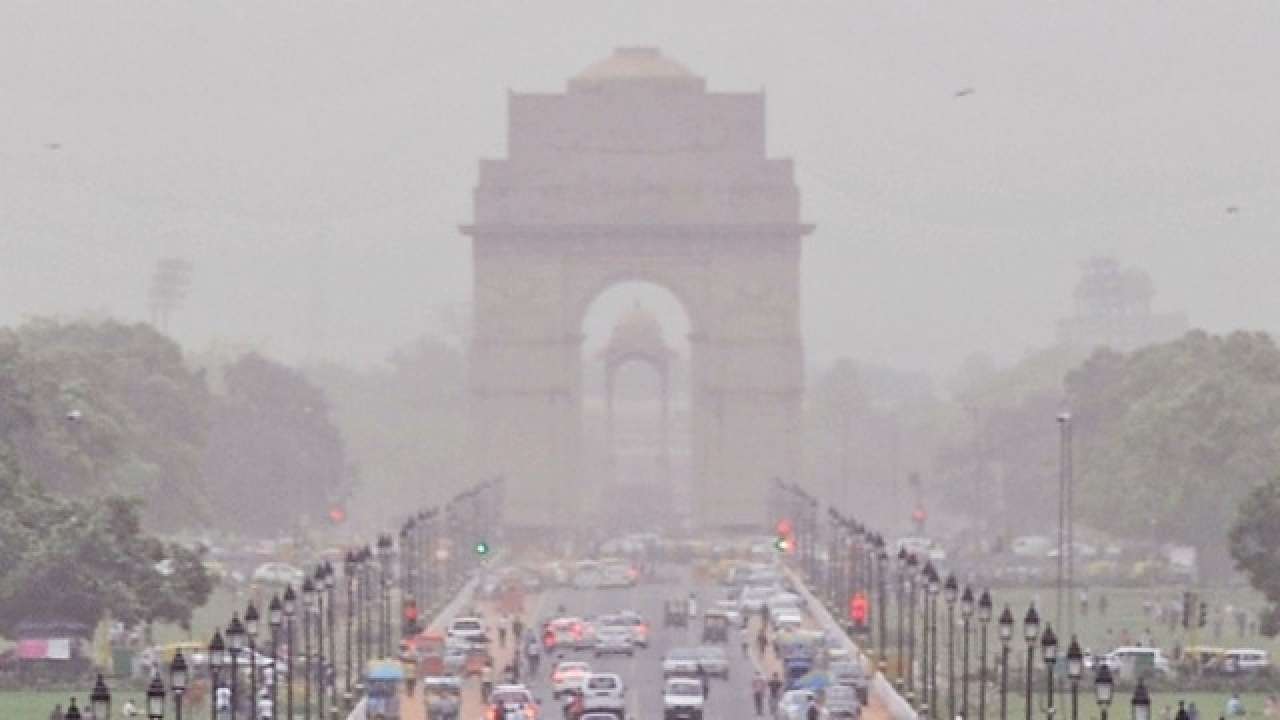
Significant improvement in air quality was observed during the coronavirus-induced lockdown due to restricted anthropogenic activities, but such air quality management strategies come with considerable economic costs, the Central Pollution Control Board (CPCB) said on Wednesday.
According to the "Impact of Lockdown on the Ambient Air Quality" report, released during the virtual celebrations of the 46th Foundation Day of CPCB, PM 2.5 reduced by 24 per cent during the pre-lockdown phase and further reduced by almost 50 per cent during the lockdown phases as compared to levels observed during 2019.
The report was released by Minister of State for Environment Babul Supriyo, who praised the CPCB for its contribution in checking and spreading awareness about air pollution.
"CPCB has been working very diligently for the last four decades. It has played a very important part in India's growth. It created awareness and conscience about the importance of air we breathe," Supriyo said.
The CPCB report considered the pre-lockdown phase from March 1-21, Lockdown phase-I from March 25 - April 19 and Lockdown phase-II from April 20 to May 3.
"Considerable improvement in air quality levels were seen as compared to the same time periods in last year. It has also been noted that air quality levels were improved even during the pre-lockdown period in 2020. This may be due to meteorological conditions as well as the fact that a few restrictions such as those on cinema halls, schools, colleges, etc. were already in place during the first half of March.
"In terms of Particulate Matter levels, while PM2.5 reduced by 24 per cent during the pre-lockdown phase, it further reduced by almost 50 per cent during both lockdown phases as compared to levels observed during 2019. PM10 reduced by a massive 60 per cent, with NO2 levels falling by 64 per cent, Benzene by 62 per cent and SO2 by 35 per cent, during the second phase of lockdown as compared to levels in the same time period in 2019," the report said.
The study revealed that sources associated with vehicular emissions, domestic/local coal combustion, waste incineration and urban organic aerosols reduced sharply from the pre-lockdown phase into lockdown phase-I and were found to steadily rise back with increasing relaxations in the lockdown.
"Although significant improvement in air quality was observed during lockdown due to restricted anthropogenic activities, such air quality management strategies come with considerable economic costs. Irreversible emission reductions through sustainable process changes and long-term objectives is crucial for achieving good air quality levels.
"However, as the impact of various anthropogenic activities is now being quantified, actions that can be integrated in business as usual scenarios need to be identified, with emphasis on reduction of emissions at source including dust control, vehicular emissions, industrial operations, etc.," it said.
The report said that lessons learnt from the COVID-19 pandemic can be utilised to target source specific actions leading to maximum improvement in ambient air quality.
"Further, socio-economic development and industrialization also needs to be in tandem with the carrying capacity of a city," it said.
According to the report, across India, workplaces mobility dropped by 56.7 per cent and by 81.3 per cent in Delhi during lockdown period (from March 24 to April 30) from the baseline average (from February 15 to March 23) which also corroborates with the period of least contribution to PM2.5 levels from traffic emissions.
"Across India, transit station mobility i.e. visit to public transport facilities dropped by 66 per cent (up to April 30, 2020) and by 77.7 per cent in Delhi from the baseline average," the apex pollution control body CPCB said.
The report said that during lockdown phase-I wherein maximum restrictions were imposed, contribution of vehicular emissions reduced to 5 per cent from 19 per cent during pre-lockdown phase.
"It was also observed that contribution from vehicular emissions to inorganic species in PM2.5 were found to be an appreciable amount (14 per cent) only in the pre-lockdown phase, while for all consequent phases the factor was found to contribute only in trace amounts. Similarly, both the coal combustion and waste incineration factors, which were found to be originating from local/domestic sources decreased steadily," it said.
As per the report, during the lockdown, in Delhi, the number of "Good", "Satisfactory" and "Moderate" AQI (Air Quality Index) days increased to 40 in 2020 against 17 in 2019, and there were zero "Poor", "Very Poor" and "Severe" AQI days in 2020 against 23 in 2019.
The air pollution reduction trend in NCR towns was similar to that of Delhi with reduction in certain pollutants, more prominent in NCR towns.
"Over 50 per cent reduction in PM2.5 and PM10 levels were observed during the first phase of lockdown in most neighbouring towns with sharp improvement in Gurugram with 61 per cent reduction in PM10 levels and Ghaziabad with 54 per cent reduction in PM2.5 levels as compared to 2019 levels," the report said.
"PM10 levels further reduced by over 60 per cent in Gurugram, Noida and Ghaziabad, in the second phase of lockdown, as compared to 2019 levels, in all likelihood due to restriction on dust generating activities," it said.
CONCLUSION:
We have now discussed the common causes, effects, and solutions for dealing with air pollution.
With air pollutants being such a widespread epidemic, it’s imperative that we come together as Earth’s inhabitants to become part of the solution, instead of continuing to be the problem.
We can make the choice to drive less toxic automobiles. We can choose how much energy we consume on a daily basis. We can also choose to reuse our old materials instead of dumping them into the environment.AS OUR MOTO WE SHOULD BE THE PART OF SOLUTION AND SAVE OUR MOTHER EARTH WHO IS SUFFERING FROM THIS HAZARD
How We Used Space Agency Data in This Project
How is NASA monitoring air pollution?
NASA uses satellites orbiting Earth to keep an eye on air pollution. In fact, air quality forecasters use information about aerosols from NASA’s Aqua, Terra and Suomi-NPP satellites.
NASA also is developing a new instrument called the Multi-Angle Imager for Aerosols, or MAIA, to fly aboard a future spacecraft mission. MAIA will help scientists understand the size, makeup and quantity of aerosols in our air. Eventually, scientists will be able to compare this information with health records. This can help us better understand the relationship between aerosol pollution and human health.
This is the link which we used as a reference to air pollution monitoring :
https://www.youtube.com/watch?v=aMnDoXuTGS4
Nasa has a fleet of Earth-observing satellites whose instruments observe our planet's oceans, biosphere, and atmosphere. Several of these satellites have instruments that observe air pollutants around the world. The data collected are being used by air quality managers and researchers studying the impact of air pollution on human health and agriculture
Project Demo
SOLUTION:
1. Minimize the Use of Fossil Fuel Powered Automobiles.
As a leading contributor to air pollution, it only makes sense that a vehicle-based solution appears first on this list.
One way to do this is by switching to a hybrid vehicle, or better yet, one that runs on fully electric.
Other ways include taking public transportation, carpooling with friends and colleagues, or even riding a bike to your destination.
2. Be Mindful of Energy Consumption.
When you’re leaving home, be sure to turn off the lights, TV, and any other electronic appliances.
Fossil fuel plants are a major cause of air pollutants, and the less energy you need, the less we have to rely on those plants to generate electricity.
This also means turning to energy efficient devices when possible. Fluorescent lightbulbs over the course of their lifespan can reduce energy consumption while adding significant savings to your pocket.
3. Become an Advocate for Clean Energy.
Every day, technology continues to advance that improves the efficiency and cost of clean energy such as solar, wind, and geothermal. These types of energy sources create much less air pollution.
Even nuclear is leaps and bounds better than traditional fossil fuel plants when it comes to air pollution.
Find ways to promote and educate the public on clean energy alternatives. A small contribution goes a long way in the grand scheme of things.
4.RECYCLE.
Recycling is the process of converting waste materials into new materials and objects. The recyclability of a material depends on its ability to reacquire the properties it had in its virgin or original state. It is an alternative to "conventional" waste disposal that can save material and help lower greenhouse gas emissions. Recycling can prevent the waste of potentially useful materials and reduce the consumption of fresh raw materials, thereby reducing: energy usage, air pollution (from incineration), and water pollution (from landfilling).
5.PLANTING TREES.
Trees have a very significant role in reducing air pollution as they help to maintain the proportion of CO2 gas in our environment . As trees are relentlessly cutting down to for satisfying the demands of increasing population ,the amount of CO2 is increasing in air leading to global warming . Roots of trees also helps to reduce the soil erosion.
Increase of CO2 also leads to air pollution
6.Spreading Public Awareness
We should start different clubs & campaigns open for any citizen in that area. We should conduct some challenges , drawing competitions, essay writing, etc for children to develop awareness in them that how Mother Earth feed , protect, and helps us to develop in its environment and how we should respect her/it , follow our duties , not pollute to it etc
If we all earthlings ( citizens of Earth ) will work together and follow the principle of vasudhaivakutumbkam (fraternity:the whole world is one family) for Mother Earth than we can all live in a ideal , peaceful clean & green planet
The below link has our project video. pls check it out.
OUR PROJECT LINK:
https://app.animaker.com/animo/c7UXtOTcoGDhHUp4/
HOPE YOU ENJOYED THE VIDEO