
Jamiq| A One Health Approach
Team Updates

Experience of JAMIQ with NASA space app challenge.
Working for NASA space app challenge was seriously a great experience . I always wanted to contribute to the society in one or another way and NASA provided me a great opportunity to serve the community. NASA is working to inculcate scientific approach among people . This scientific approach helps us to discover new things to ease the life of people across the globe .
I chose the challenge " One health approach " to work on . By working on this challenge I learned a lot about our environment even not only about environment but also about other issues of world . It was a very knowledgeable experience for me .
Before working on this project , I was of the thought that NASA is all about stars n planets but after joining NASA space app challenge I came to know that NASA works on every single issue of world be the environmental issue , be it the sustaince of life and much more . It works for our future generation as well. NASA contributes in every field of life from a single cell to the whole universe.
Many people know something about NASA's work . But most probably have no idea about how many different things the agency does. Astronauts in the orbid conduct sceintific research . Satellites help scientists to learn more about the Earth. Space probes study the solar system and beyond .New developments improve air travel and other aspects of flight . In addition to those major missions , NASA does many other things . The agency shares what it learns so that it's information can make life better for people worldwide. This information is very helpful for students and other researchers. Like , companies can use NASA discoveries to create new spinoff products.
NASA helps teachers to prepare students like us who aim to be engineers, scientists , astronauts and other NASA workers of the future . I hope with the help of NASA we will be the adventures and we will continue exploration of solar system and universe. NASA has tradition of investing in programes and activities that inspire students , educators , families , communities in the excitement of explorations. NASA offers training to help teachers learn new ways to teach science , technology , engineering and mathematics . NASA is not only an agency but a movement to inculcate scientific approach in people.
Thank you NASA for working limitelessly for us . Thank you for every effort you put to make this world a much better place to live . And especially Thank you for involving students like us in NASA missions through this space app challenge and a big a Thanks to help us get excited about learning.
THANK YOU NASA !
(TEAM JAMIQ)
 Qareenah
 Qareenah
 Qareenah
 Qareenah
 Qareenah
 Qareenah
 Qareenah
 Qareenah
 Qareenah
 Qareenah
Air pollution
Air pollution is a major threat nowadays. It is a major cause of death and diseases globally . The health effects range from increased hospital admissions and emergency room visits , to increased risk of premature deaths.
An estimated 4.2 million deaths are linked to air pollution , mainly from heart disease , stroke , chronic obstructive pulmonary disease , lung cancer and acute respiratory infections in children .
Worldwide air pollution accounts for :
• 29% of all deaths and diseases from lung cancer
• 17% of all deaths and diseases from acute lower respiratory infections .
•. 24 % of all deaths from stroke .
• 25 % of all deaths and diseases from ischemic heart disease.
•. 43 % of deaths
There are ways to prevent , control and eventually reduce air pollution :
1. The most basic solution for air pollution is to move away from fossil fuels , replacing them with alternative energies like solar , wind and geothermal.
2. Producing clean energy is crucial . But equally important important is to reduce our consumption of energy by adopting responsible habits and using more efficient devices.
3. Shifting to electric vehicles and hydrogen vehicles , and promoting shared mobility could reduce air pollution .
4. From planning to demolitions , green building aims to create environmentally responsible and resource efficient structures to reduce their carbon footprint.
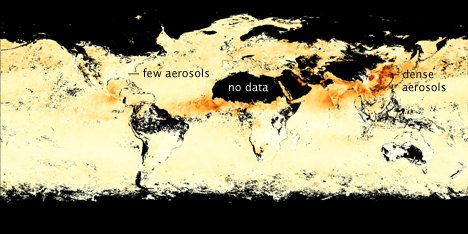
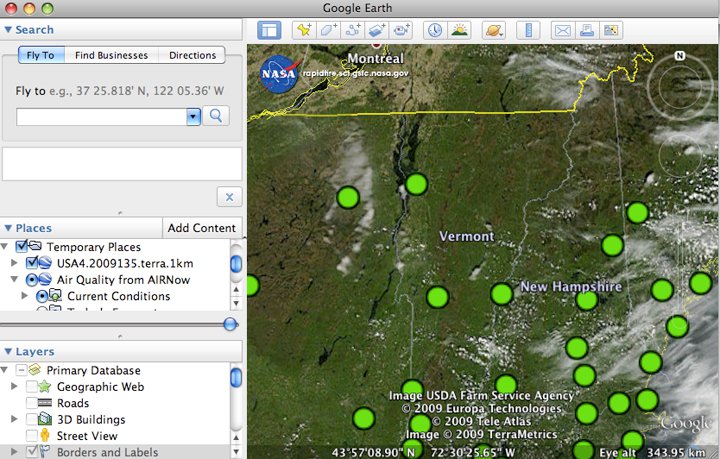
In addition , monitoring air pollution levels has become very important to detect pollution peaks , better control air pollution and eventually improve air quality . In monitoring pollution levels NASA plays a major role by using satellite observations .
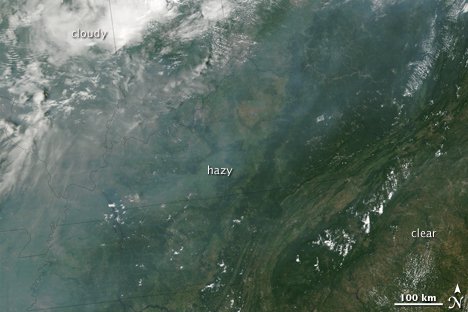
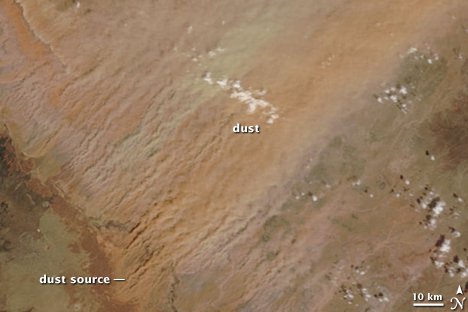
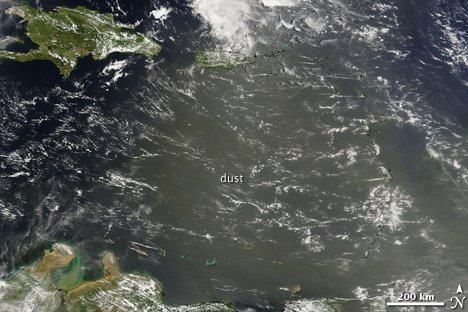
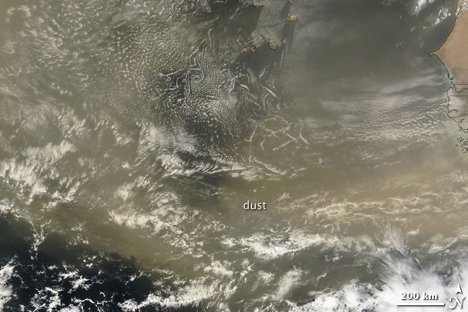
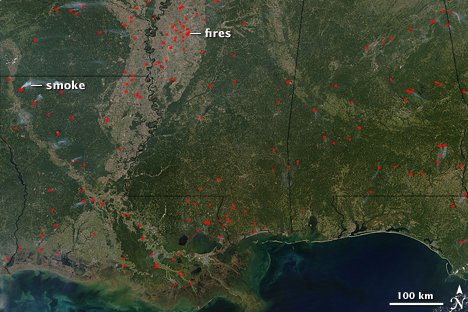
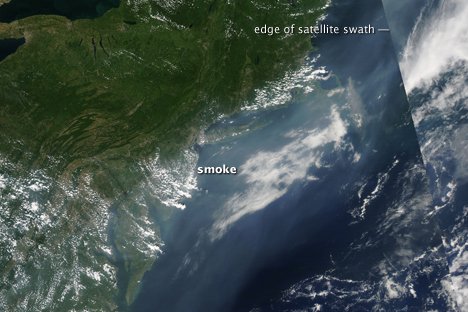
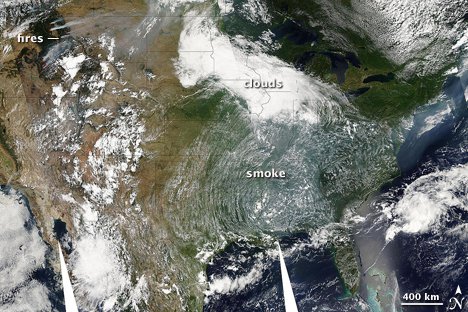
To improve air quality , it is important to know what contributes to polluting the air . Haze comes from variety of sources . Our skies may be hazy from local traffic , or industry such as coal burning power plants , or the Pollution may be coming in from somewhere else farther away . Satellite images help identify large areas of pollution caused by fires , dust or sand storms , volcanic eruptions , large industrial sources , or the transport of man made pollution from other regions . Smaller sources such as small industries or local roads won't be visible in satellite images .
Photo - like , true color images provide a very simple way to see if smoke , dust or haze is being transported into your region.
www.nasa.gov › feature › nasa-scie...
Web results
NASA Science Shows Human Impact of Clean Air Policies | NASA
Qareenah Qareenah